24 Feb

Healing by the Shore: Daily Habits for a Balanced Mind and Body
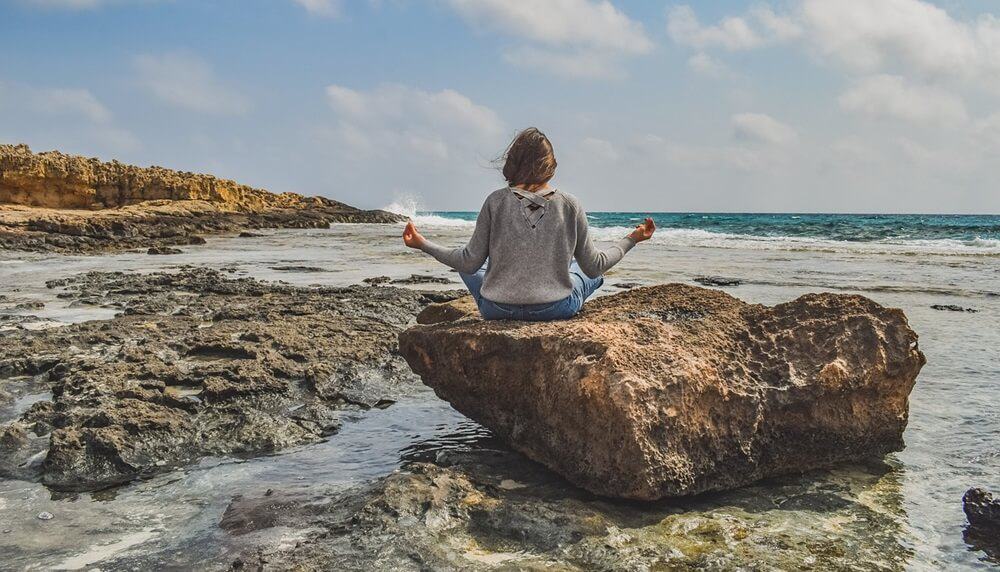
Recovery from addiction is a journey that extends beyond treatment sessions and therapy appointments. Sustaining mental and physical wellness requires intentional daily habits, supportive environments, and self-care routines that nourish the mind, body, and spirit. For many individuals, the beach offers a unique setting to cultivate balance and reinforce recovery. From the calming rhythm of waves to the restorative benefits of sunlight and fresh air, daily practices by the shore can enhance emotional resilience, reduce stress, and support long-term sobriety.

The Benefits of Beach Living in Recovery

Spending time near the ocean provides natural benefits that complement addiction recovery. The sensory environment—the sound of waves, the feel of sand, and the sight of open water—encourages mindfulness, grounding, and emotional regulation. Studies show that exposure to natural settings can lower stress hormones, improve mood, and strengthen cognitive function. These effects are particularly valuable for individuals navigating the challenges of early recovery.

Mind-Body Connection

The beach fosters a mind-body connection that is essential for holistic healing. Activities such as walking along the shore, swimming, or practicing yoga on the sand support physical health while enhancing mental clarity. The combination of movement, fresh air, and mindful awareness helps individuals manage anxiety, reduce cravings, and maintain emotional balance.

Daily Habits for Wellness by the Shore

Incorporating structured daily habits at the beach can reinforce recovery and overall well-being. Here are practical strategies:

1. Mindful Beach Walks

Mindful walking encourages presence and reflection. Focus on the sensation of each step, the rhythm of your breath, and the sounds of the ocean. This practice strengthens mindfulness skills, reduces anxiety, and improves emotional regulation.

2. Physical Activity

Engaging in daily movement supports both mental and physical health. Swimming, yoga, or light jogging on the sand releases endorphins, which naturally elevate mood and reduce stress. Regular exercise also builds stamina and resilience, essential components of long-term recovery.

3. Reflection and Journaling

Use the beach as a space for reflection. Journaling about feelings, progress, or gratitude helps process emotions and track personal growth. Pairing reflection with the natural calm of the shore can amplify the benefits of this practice.

4. Sunlight and Fresh Air Exposure

Daily exposure to sunlight supports vitamin D production, enhances mood, and regulates sleep patterns. Combined with deep breathing in fresh ocean air, these habits improve energy levels, cognitive function, and overall well-being.

5. Social Connection and Community

Engage in supportive social activities at the beach. Whether participating in group walks, beach yoga, or faith-based outdoor sessions, connecting with others reinforces accountability, reduces isolation, and strengthens recovery networks.

Integrating Holistic and Faith-Based Practices

Holistic approaches emphasize the balance of mind, body, and spirit. Faith-based recovery programs often incorporate spiritual reflection, prayer, or meditation outdoors to enhance purpose and emotional well-being. Combining these practices with structured therapy or outpatient care creates a comprehensive approach that addresses all aspects of recovery.

Embrace Daily Beach Habits for Lasting Recovery

Healing by the shore is not just about relaxation—it is a practical and intentional way to support recovery. By adopting mindful walks, daily exercise, reflection, and exposure to sunlight and fresh air, individuals can build habits that strengthen both mental and physical health. Integrating these practices into a holistic, faith-based recovery plan ensures a balanced approach to long-term sobriety.

If you or a loved one are seeking guidance on sustaining recovery, professional support that combines individualized care, evidence-based treatment, and holistic wellness strategies can make a significant difference. Reach out today to explore how beach-based routines and comprehensive recovery programs can help you build a healthy, balanced life.

14 Feb

Sun, Sand, and Sobriety: How Beach Living Boosts Recovery and Mental Health

Recovery from addiction is a journey that requires more than medical care and therapy. It requires an environment that nurtures the mind, body, and spirit. For many individuals, the beach offers a natural and restorative setting that supports long-term wellness. The combination of sunlight, fresh ocean air, and the calming presence of waves can improve mental health, reduce stress, and strengthen coping skills. In this article, we explore how integrating beach living into daily routines can enhance recovery and promote lasting sobriety.

The Mental Health Benefits of Coastal Living

Spending time near the ocean provides measurable mental health benefits. Natural environments help lower cortisol, the stress hormone, and can reduce symptoms of anxiety and depression. For individuals in recovery, managing emotional triggers is critical. The rhythmic sounds of waves, the expansive horizon, and the tactile experience of sand underfoot create an environment that encourages mindfulness and emotional balance.

Mindfulness and Emotional Resilience

Mindfulness practices are particularly effective when paired with the beach environment. Focusing on the sensations of walking along the shore or listening to the ocean fosters present-moment awareness. This practice strengthens emotional resilience, helping individuals respond to cravings and stressors in a healthy, intentional way.

Physical Health Advantages of Beach Living

Regular exposure to sunlight and fresh air provides both physical and mental benefits. Sunlight helps regulate circadian rhythms, improve sleep quality, and support vitamin D production, which is essential for overall health. Fresh ocean air contains negative ions that may improve oxygen absorption and boost mood.

Incorporating Physical Activity

The beach offers a natural space for gentle exercise, which is essential for holistic recovery. Activities such as swimming, yoga on the sand, beach walking, or light jogging release endorphins, which enhance mood and reduce stress. Regular movement strengthens the body’s ability to cope with challenges and reinforces healthy routines learned during treatment.

Holistic Practices for Recovery on the Shore

Beach living can be integrated into a comprehensive, individualized recovery plan. Faith-based and holistic programs often encourage incorporating nature into therapy. Guided meditation, reflection, or journaling by the ocean provides opportunities for spiritual growth and emotional processing. Combining these practices with outpatient counseling or support groups strengthens the mind-body-spirit connection crucial to lasting sobriety.

Creating a Sustainable Beach Routine

  • Daily Mindful Walks: Dedicate 15 to 30 minutes to focus on breathing and sensory experiences along the shore.
  • Structured Physical Activity: Swim, jog, or practice yoga to maintain fitness and release tension.
  • Reflective Practices: Journal, meditate, or engage in prayer to support mental and spiritual well-being.
  • Community Engagement: Participate in group activities or support sessions in outdoor settings for social connection.

Consistency is key. Integrating these practices into daily life ensures that the benefits of beach living extend beyond occasional visits.

Harness the Shore for Lasting Recovery

Sunlight, sand, and ocean air are more than relaxing elements—they are practical tools to support mental health, reduce stress, and reinforce sobriety. By intentionally incorporating beach activities and mindful practices into recovery routines, individuals can strengthen resilience, enhance well-being, and build a fulfilling, sober lifestyle.

If you or a loved one are navigating the challenges of addiction, professional support that combines evidence-based treatment with holistic, faith-based, and individualized care can provide the guidance and structure needed for lasting recovery. Reach out today to explore how beach living and comprehensive treatment programs can help you reclaim your life and thrive in sobriety.

7 Feb

Mindful Walks, Waves, and Well‑Being: Beach Activities That Reduce Stress and Anxiety

Recovery from addiction and managing mental health challenges require more than therapy and medication. Integrating nature-based practices into daily life can support long-term wellness and emotional balance. For many individuals, the beach offers a therapeutic environment where mindful activities, physical movement, and the calming presence of the ocean combine to reduce stress and anxiety. In this article, we explore beach activities that promote well-being and support recovery after treatment.

The Connection Between Nature and Mental Health

Spending time outdoors has well-documented benefits for mental health. Exposure to natural light, fresh air, and calming environments lowers stress hormones, improves mood, and enhances cognitive function. For individuals in recovery, these benefits are particularly significant, as managing stress and emotional triggers is essential for maintaining sobriety.

The beach provides a unique combination of sensory experiences that can enhance mindfulness and emotional regulation. The sound of waves, the feel of sand underfoot, and the rhythmic movement of tides create an environment that naturally promotes relaxation and presence.

Mindful Walks Along the Shore

One of the simplest yet most effective ways to engage with the beach environment is through mindful walking. Unlike regular exercise, mindful walking focuses on awareness and intentionality.

How to Practice Mindful Walking

  • Focus on Your Breath: Pay attention to the inhale and exhale, allowing each breath to anchor you in the present moment.
  • Engage Your Senses: Notice the sound of waves, the temperature of the breeze, and the texture of sand beneath your feet.
  • Observe Thoughts Without Judgment: Acknowledge stress or anxiety as it arises, then gently return your attention to the environment and your body.

Practicing mindful walking regularly can reduce anxiety, improve concentration, and strengthen emotional resilience, all of which are vital for sustained recovery.

Beach-Based Physical Activities

Physical activity is a cornerstone of holistic wellness and stress management. The beach provides a natural setting for gentle exercise that can be both restorative and invigorating.

Recommended Activities

  • Swimming or Wading: Water-based activities offer cardiovascular benefits while providing a soothing sensory experience.
  • Yoga or Stretching on the Sand: Gentle movements help release tension, improve flexibility, and enhance body awareness.
  • Beach Sports or Walking Jogging: Activities such as volleyball, paddleboarding, or light jogging support endorphin release, which naturally elevates mood.

Engaging in these activities encourages a sense of accomplishment and physical well-being, reinforcing positive coping mechanisms in recovery.

Incorporating Reflection and Mindfulness Practices

The beach is also an ideal setting for reflection and spiritual practices. Journaling while listening to waves, meditating with eyes closed in the sun, or practicing prayer in a peaceful environment can enhance self-awareness and emotional regulation. Faith-based and holistic recovery programs often integrate these practices to support mind-body-spirit balance and long-term sobriety.

Building a Sustainable Beach Routine

Consistency is key to deriving the full benefits of beach activities. Establish a weekly schedule for walks, exercise, and mindfulness sessions. Combine these activities with ongoing outpatient care, counseling, or support group participation to maintain both physical and emotional health. By creating intentional routines, the beach becomes not just a place of leisure but a tool for sustaining recovery.

Harness the Shore for Emotional Wellness

Mindful walks, waves, and beach-based activities offer more than relaxation—they provide practical strategies for reducing stress and anxiety in recovery. By intentionally engaging with the natural environment, individuals can strengthen emotional resilience, improve mental clarity, and reinforce healthy coping mechanisms.

If you or a loved one are seeking guidance on maintaining long-term recovery, professional support that combines evidence-based treatment with holistic, faith-based, and individualized care can make all the difference. Reach out today to explore how beach wellness and structured recovery programs can help you build a balanced, fulfilling life.