21 Jul

Seaside Serenity: How the Coast Calms the Anxious Mind

In a world filled with constant noise, digital distractions, and high-pressure routines, finding natural ways to manage anxiety has become essential for mental health. One of the most powerful yet accessible remedies lies at the water’s edge. Coastal environments, with their soothing sights, sounds, and sensations, provide a unique form of therapy that can calm the anxious mind and promote emotional balance. From the rhythmic crash of waves to the gentle ocean breeze, the coast offers a multisensory experience that fosters relaxation and well-being.

The Science Behind Coastal Calm

Research has consistently shown that spending time in “blue spaces”—areas near bodies of water like oceans, lakes, and rivers—has significant mental health benefits. The beach, in particular, provides a combination of factors that reduce stress and anxiety naturally.

1. The Rhythm of Waves

The repetitive sound of waves acts as a form of natural white noise. This consistent, gentle background sound helps to slow down brain activity, encouraging a meditative state that reduces anxiety. Similar to the effects of deep breathing exercises or mindfulness practices, listening to the ocean’s rhythm can lower cortisol levels, the hormone responsible for stress.

2. Visual Relaxation

The vast, open horizon of the sea creates a sense of spaciousness that soothes the mind. Studies show that gazing at natural landscapes, especially those involving water, can reduce mental fatigue and improve mood. The calming colors of the ocean—soft blues, greens, and sandy neutrals—have also been linked to relaxation and emotional healing.

3. Sensory Grounding

The tactile experience of walking on sand, feeling the cool ocean breeze, and dipping toes into the water encourages mindfulness. These grounding activities anchor attention to the present moment, helping to interrupt cycles of anxious thoughts. This physical engagement with the environment reduces overthinking and fosters a sense of peace.

Emotional and Psychological Benefits

1. Mood Enhancement

Sunlight exposure at the beach stimulates the production of serotonin, a neurotransmitter associated with feelings of happiness and calm. Sunlight also helps regulate the body’s circadian rhythm, improving sleep quality—a key factor in managing anxiety.

2. Perspective and Reflection

The endless horizon of the ocean has a humbling effect, helping individuals gain perspective on their worries. The feeling of connection to something vast and natural can reduce feelings of isolation and overwhelm, offering emotional relief.

3. Physical Activity and Relaxation

Beach activities like walking, swimming, or yoga on the sand combine gentle physical exercise with natural surroundings. Physical movement releases endorphins, which further combat stress and anxiety.

Conclusion: Embrace the Healing Power of the Coast

Seaside serenity is more than a poetic idea—it’s a scientifically supported path to mental wellness. Whether it’s a short visit to the shore, a mindful beach walk, or simply sitting by the waves, the coast offers a powerful, natural remedy for anxiety. By embracing the healing elements of the seaside, individuals can find lasting relief from the mental burdens of daily life and reconnect with a sense of calm and balance.
8 Jul

How Walking on Sand Strengthens Your Body and Soothes Your Soul

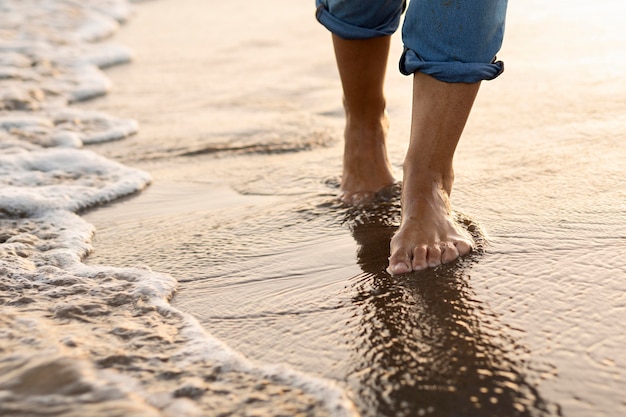
Few activities are as simple yet profoundly beneficial as a walk on the beach. The feeling of warm sand under your feet, the sound of waves lapping the shore, and the expansive view of the ocean create a tranquil experience that goes beyond basic exercise. Walking on sand offers a unique combination of physical and emotional benefits, making it a powerful practice for holistic wellness. It strengthens your body, improves balance and coordination, and fosters a deep sense of mental and spiritual peace.

Physical Benefits of Walking on Sand

1. Natural Resistance Training

Unlike hard surfaces such as concrete or asphalt, sand shifts under your weight, requiring more effort with each step. This added resistance activates more muscles, particularly in the legs, ankles, feet, and core. Walking on sand burns more calories and builds strength more effectively than walking on firmer ground, making it a great low-impact workout.

2. Improved Balance and Coordination

Because sand is an unstable surface, your body must constantly adjust to maintain balance. This helps enhance proprioception—the body’s sense of positioning—and improves coordination. Over time, regular walks on sand can lead to better stability and reduced risk of falls, especially beneficial for older adults or those recovering from injury.

3. Joint-Friendly Exercise

Despite the increased effort it requires, walking on sand is gentler on the joints. The soft surface absorbs shock, reducing the impact on knees, hips, and ankles. This makes it an ideal form of exercise for people with arthritis, joint pain, or those looking to stay active without overstraining their bodies.

Emotional and Spiritual Benefits

1. Grounding and Mindfulness

Walking barefoot on the beach, also known as “earthing,” allows direct contact with the Earth’s surface. This grounding practice is believed to reduce inflammation, improve sleep, and elevate mood by balancing the body’s electrical energy. The sensory experience of feeling sand between your toes helps keep your focus on the present moment, promoting mindfulness and reducing stress.

2. Emotional Release and Clarity

The rhythmic motion of walking combined with the natural beauty of the shoreline creates a meditative state. It encourages reflection and emotional release, offering a safe space to process thoughts or simply let go of worries. Many people find that a walk on the beach clears mental clutter and provides a renewed sense of clarity and peace.

3. Connection with Nature

Spending time in nature, particularly near water, has been shown to elevate mood and lower levels of anxiety and depression. The beach environment offers a multisensory experience—the sight of the ocean, the feel of the breeze, the sound of waves—that calms the nervous system and fosters a sense of spiritual connection and renewal.

Conclusion

Walking on sand is more than a leisurely activity—it’s a form of therapeutic movement that strengthens the body while soothing the soul. Whether you’re seeking physical fitness, emotional balance, or spiritual clarity, the simple act of a beach walk can offer profound rewards. Embrace the shoreline, take off your shoes, and step into a path of wellness that begins with the sand beneath your feet.